We know how to prepare for school. We know how to prepare for a baby. We know how to prepare for a career. But when someone we love begins to age, many families are expected to figure it out while they’re already in the middle of it. We also know how to raise families, build careers and mange parts of our life, but few of us are taught how to navigate changes in health, memory, caregiving, healthcare decisions, loss of independence, aging at home or planning ahead for aging.
The Information About Aging is Everywhere. Understanding It Can Be Hard.
The Aging Navigation Circle
The Aging Navigation Circle exists to close the gap between having access to healthcare and knowing how to understand, prepare and navigate – aging related decisions.
You don’t need to know everything. You just need a trusted place to slow down, ask questions and figure out what to think about next.
A 2026 study found information and education were among the most consistently identified caregiver needs, particularly information about services, diagnosis/prognosis, and navigating fragmented healthcare systems.
Recent studies highlights emotional, social, and practical wellbeing is needed alongside caregiving skills.
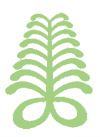
This Adinkra symbol is called Aya, is represented by the fern.
Adinkra symbols originate among the Akan peoples of Ghana and are also found in neighboring Côte d’Ivoire. These symbols traditionally express way of life, values, wisdom, and principles reflecting important lessons about life.
Aya symbolizes endurance, resourcefulness, and defiance in the face of hardship. Just as the fern plant thrives in difficult terrain, Aya represents the strength and adaptability needed to withstand life’s uncertainties and challenges.
The symbol reminds us that even in difficult circumstances, we can draw on our inner strength, adapt, and keep moving forward with resilience.